Launching a website is an important step for any business, but getting it online is only the beginning. If potential customers cannot find your website when they search for the products or services you offer, even the most impressive design may struggle to deliver results. This is where SEO becomes an important part of your digital marketing strategy.
Search engine optimisation is often associated with keywords and rankings, but effective SEO involves much more than adding phrases to a page. It is about helping search engines understand your website and making it easier for the right people to discover your business.
A Good Website Does Not Automatically Rank Well
One of the most common misconceptions about SEO is that a well-designed website will naturally appear near the top of Google. While design and usability matter, search engines consider many other factors when deciding which pages to display.
Your website needs to communicate what each page is about, provide useful information and offer a good experience for visitors. It also needs to be accessible to search engines so that they can discover and understand its content.
A website may look polished but still have SEO problems. Important services might not have dedicated pages, page titles may be unclear, or the content may not match the terms potential customers actually search for.
Identifying these issues is often the first step towards improving organic visibility.
Are You Targeting The Right Keywords?
Keywords remain an important part of SEO because they help businesses understand what people are searching for. However, choosing keywords simply because they have a high search volume is not always the best approach.
A phrase may receive thousands of searches but attract visitors who are not interested in your services. A more specific keyword with fewer searches may bring people who are much closer to making an enquiry or purchase.
For example, a company offering website development might target broad phrases such as “web design”. It could also explore more specific searches relating to its services, location or customer requirements.
The right keyword strategy considers both search demand and relevance. Your content should answer the questions your target audience is asking, using language that feels natural rather than forced.
Content Should Give Visitors A Reason To Stay
Search engines aim to provide useful results, which means content plays a central role in SEO. A website filled with thin, repetitive or generic pages may struggle to demonstrate its value.
Good website content should explain your services, answer common questions and help visitors understand why your business is relevant to their needs.
This could include:
- Detailed service pages that explain what you offer.
- Blog posts covering useful topics within your industry.
- FAQs that address common customer concerns.
- Case studies that demonstrate your experience.
- Helpful guides that answer specific search queries.
The aim is not to publish content for the sake of it. Each page should have a clear purpose and contribute to the overall customer journey.
Technical SEO Can Make A Difference
Some SEO improvements happen behind the scenes. Technical SEO focuses on the parts of your website that affect how search engines crawl, understand and access your pages.
Important areas to review include website speed, mobile usability, broken links, indexability and the structure of your site.
For example, if important pages cannot be indexed by search engines, they may not appear in search results at all. Similarly, a website that is difficult to use on a mobile phone can create a poor experience for visitors.
Technical SEO does not need to be complicated, but it does require regular attention. Issues can appear after website updates, plugin changes or alterations to the site structure.
SEO Is A Long-Term Investment
SEO is not usually a quick fix. While some technical improvements can produce relatively quick benefits, building organic visibility often takes time.
Search engines need to discover and assess your content, and your website may be competing against established businesses with years of online history.
This is why a consistent approach is important. Reviewing performance, improving existing pages and publishing relevant content can help your website develop over time.
SEO should also be viewed alongside other marketing activity. Paid advertising, social media and email marketing can all support your wider digital strategy, while SEO helps you build a presence in organic search.
How To Start Improving Your Website’s SEO
If your website is not attracting the traffic you expected, start with a review of its current performance.
Look at which pages receive the most visits, which search terms are bringing people to your site and whether important services are clearly represented. Check for technical issues and consider whether your content genuinely answers the questions your audience is asking.
From there, you can create a practical SEO plan that focuses on the areas most relevant to your business.
Make Your Website Easier To Find
SEO is about more than chasing rankings. It is about connecting your business with people who are actively looking for what you offer.
By combining relevant keywords, useful content, technical improvements and regular performance reviews, your website can become a more effective part of your digital marketing strategy. If your website is not reaching the audience it deserves, SEO could be the next step towards improving its online visibility.
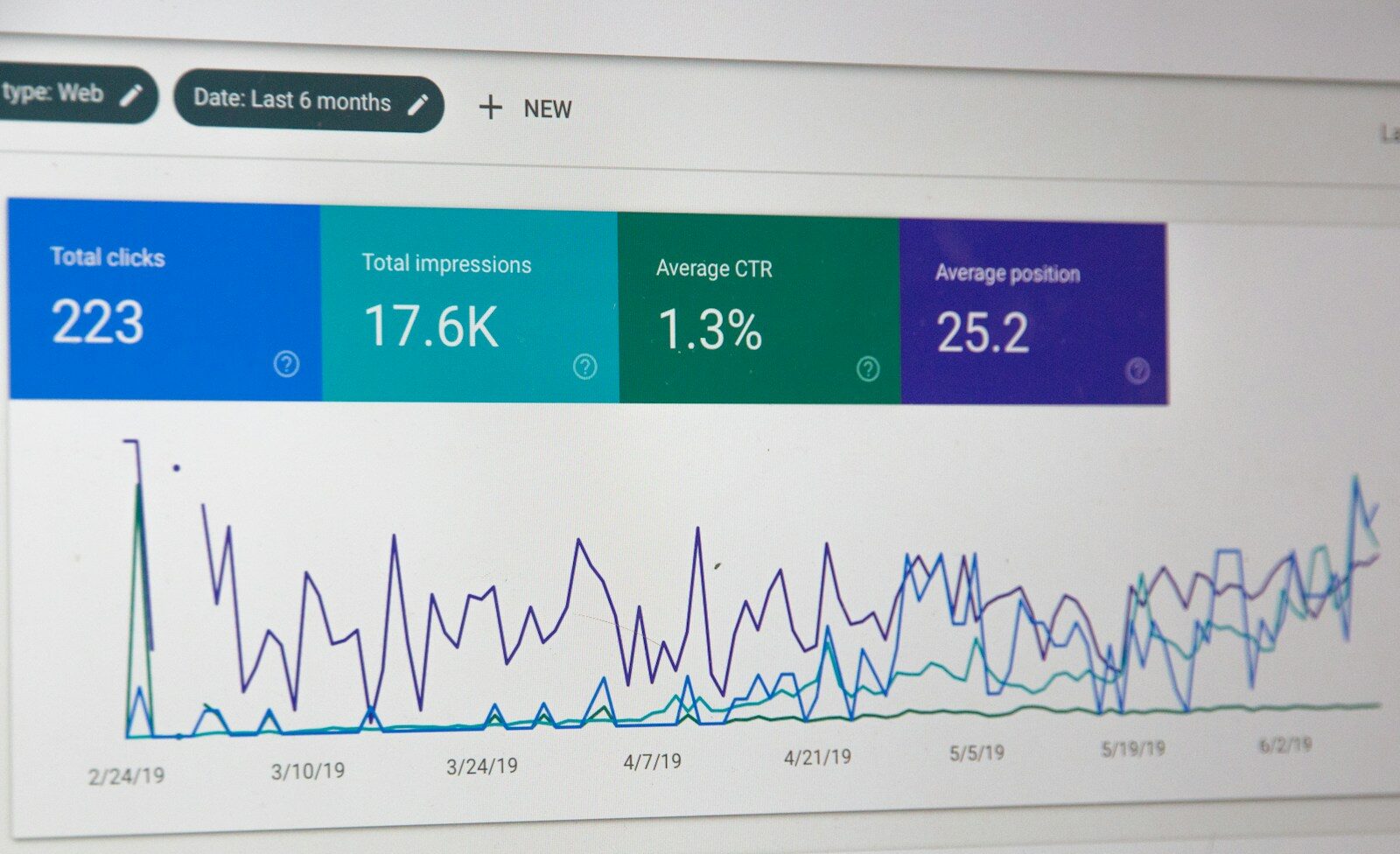
Photo by Stephen Phillips.